Wormbook the Online Review of C Elegans Biology

Whether in the course of a fizzy drink or flavored lozenges, cold and influenza preventative supplements near e'er highlight vitamin C as one of their key ingredients. So, what'due south then magical about vitamin C? Besides known as ascorbic acid, vitamin C is disquisitional to living healthily. Since the human body cannot spontaneously generate this nutrient, vitamin C must instead be absorbed from outside sources, such equally vitamin supplements or foods that are naturally rich in it.
What Does Vitamin C Do?
Commonly found in cold and flu preventative supplements, vitamin C strengthens and speeds up immune system functionality. Though research does not indicate that vitamin C intake lonely can foreclose the onset of cold or flu, adequate daily intake may shorten the duration of an infection or lessen the severity of symptoms.

Vitamin C is crucial for the maintenance of well being. For example, information technology plays a role in wound healing and helps maintain many essential body tissues. It also acts as a potent antioxidant and can repair damage from free radicals, which are linked to crumbling effects, and illness vulnerability. Additionally, vitamin C tin also forestall anemia, since it helps the body increment absorption of dietary atomic number 26, another vital mineral that the torso cannot spontaneously create.
Foods that contain high concentrations of vitamin C take been linked with a lower chance of cardiovascular illness, like heart set on and stroke. Vitamin C tin also increment levels of nitric oxide, a compound that widens blood vessels and, in turn, lowers blood pressure. In improver, regular intake of vitamin C, forth with other vitamins, has been linked to a decreased adventure for developing age-related cataracts, a leading cause of visual impairment in the United States.
Mutual Sources of Vitamin C
Vitamin C can be hands obtained through the many dissimilar foods, including:
- Citrus fruits and juices (orange, grapefruit, lemon, lime and tangerine)
- Berries
- Melons
- Mangoes
- Kiwi
- Tomato
- Broccoli
- Red peppers
- Spinach
- Squash
- Potatoes
Cooking these foods may effect in the loss of some of the vitamin content, so it is platonic to ingest them raw, either whole or juiced. Present, in that location are also numerous packaged food products, like cereals, that have been enriched and fortified with vitamin C, and so that the nutrient can be easily obtained.
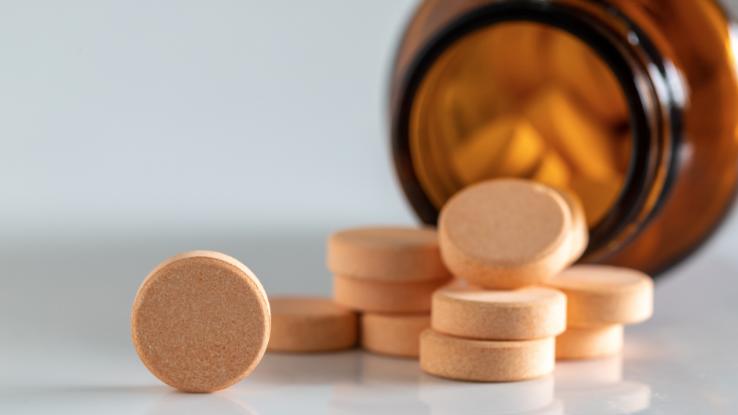
Vitamin C may also exist labeled as "L-ascorbic acid" in supplement form, and nigh over-the-counter multivitamins contain the recommended daily amount of the vitamin. While information technology is a good source when an individual is in need of a vitamin C boost, supplements are not meant to replace a diet rich in naturally derived vitamin C.
What Happens When You Take Too Much — or Also Little — Vitamin C?
Vitamin C is a water-soluble vitamin that can be hands flushed out of the torso via urination when it is not needed. Therefore, if the principal source of vitamin C is from naturally occurring foods, it is virtually-impossible for excess vitamin C to produce side furnishings. Nonetheless, taking excessive concentrated vitamin C supplements may atomic number 82 to diarrhea or stomach upset.

Since vitamin C-rich foods are so readily available present, symptoms of inadequate vitamin C intake are also rare in the United States. However, malnourished individuals can feel symptoms of vitamin C deficiency over time, including:
- Weakness
- Fatigue
- Anemia
- Easy bruising
- Joint pain
- Skin breakdown
- Weakened molar enamel
- Gum inflammation
Severe vitamin C deficiency is referred to as scurvy. Scurvy tin be easily treated with increased dietary or supplemental vitamin C. Since vitamin C is crucial in the detoxification of the body, a lack of vitamin C can compromise the immune system and make an individual more susceptible to diseases and infections. Individuals with insufficient vitamin C may find that it takes longer than usual to recover from a cold or a physical wound.
Daily Dosage Recommendations:
The daily dosage recommendation for vitamin C is different for anybody, depending on factors such as gender, age, lifestyle and current wellness status. The recommended daily dosage for vitamin C is at to the lowest degree 75 mg daily for women and 90 mg for men. Since people who are meaning, breast feeding, smoking or using oral contraceptives have a lower blood level of vitamin C than others, larger doses of vitamin C may be needed to achieve optimal results in these individuals. Those who have prior or current medical conditions may likewise require bigger or smaller dosage levels, as recommended by their healthcare providers.
Resource Links:
- "Vitamin C" via MedlinePlus
- "Vitamin C and Infections" via MDPI
- "Extra Dose of Vitamin C Based on a Daily Supplementation Shortens the Mutual Cold: A Meta-Analysis of 9 Randomized Controlled Trials" via Hindawi, BioMed Research International
- "Vitamin C" via National Institutes of Health
- "Scurvy" via U.S. Section of Health & Human Services, National Institutes of Health
- "Dietary intake and claret concentrations of antioxidants and the risk of cardiovascular disease, full cancer, and all-cause mortality: a systematic review and dose-response meta-analysis of prospective studies" via The American Periodical of Clinical Nutrition
- "Dietary vitamin and carotenoid intake and risk of age-related cataract" via The American Periodical of Clinical Nutrition
- "Cardiovascular Organisation" via Department of Anatomy, Seoul National University College of Medicine (via Springer)
Source: https://www.symptomfind.com/nutrition-supplements/vitamin-c-everything-you-need-to-know?utm_content=params%3Ao%3D740013%26ad%3DdirN%26qo%3DserpIndex

Post a Comment for "Wormbook the Online Review of C Elegans Biology"